
Paris, the City of Light, is a dream destination for millions of travelers each year, offering a blend of history, culture, and romance. While iconic areas like the Eiffel Tower and the Louvre often steal the spotlight, the 13th arrondissement provides a more authentic, less touristy perspective on Parisian life. Located in the southeast of the city, near Place d’Italie, this diverse district is known for its vibrant Chinatown, bohemian Butte-aux-Cailles neighborhood, and modern landmarks like the Bibliothèque Nationale de France. However, as with any urban area, staying safe and savvy is key to enjoying your visit. In this detailed guide, we’ll cover essential safety tips, cultural insights, and practical advice for tourists exploring the 13th arrondissement. Whether you’re staying near Place d’Italie or just passing through, let’s ensure your trip is secure, enjoyable, and full of local charm.
Why Visit the 13th Arrondissement?
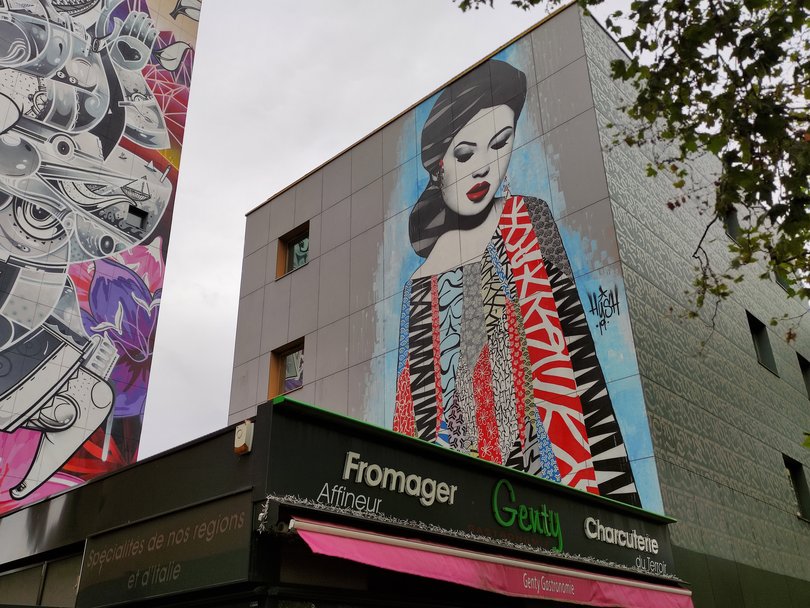
The 13th arrondissement, often overlooked by first-time visitors, offers a unique mix of multiculturalism and Parisian authenticity. It’s home to Paris’s largest Chinatown along Avenue de Choisy and Avenue d’Ivry, the artsy and hilly Butte-aux-Cailles with its street art and cozy bistros, and contemporary architecture along the Seine. Staying or exploring here—especially around hubs like Place d’Italie—means you’re away from the crowded tourist traps, enjoying more affordable dining and a glimpse into everyday Parisian life. Plus, with excellent Métro connections (Lines 5, 6, and 7), you’re just minutes from central Paris. However, to fully appreciate this dynamic district, it’s important to be aware of safety considerations and local customs. Let’s dive into what you need to know.
1. Is the 13th Arrondissement Safe for Tourists?
General Safety Overview
The 13th arrondissement is generally considered a safe area for tourists, especially in well-trafficked zones like Place d’Italie and the residential neighborhoods near Tolbiac. It’s a working-class and multicultural district, with a mix of families, students, and professionals, which contributes to a community-oriented vibe. Violent crime is rare, and the presence of police around major transport hubs like Place d’Italie adds an extra layer of security. However, as with any urban area in Paris, petty crime such as pickpocketing and scams can occur, particularly in crowded or tourist-adjacent spots.
Areas to Be Cautious
- Place d’Italie Métro Station: As a busy transport hub, this station can attract pickpockets. Keep your belongings close, especially during rush hours (7:30-9:30 AM and 5:30-7:30 PM).
- Late-Night Streets: While the 13th is safe during the day, avoid poorly lit or isolated streets late at night, especially around the edges of the arrondissement near Porte de Choisy or Porte d’Ivry. Stick to main roads like Avenue de Choisy if walking after dark.
- Chinatown Crowds: The bustling markets and restaurants in Chinatown are vibrant but can be crowded, making them prime spots for petty theft. Be mindful of your surroundings when shopping or dining.
Safety Statistics
While exact crime statistics vary year to year, Paris as a whole reports lower violent crime rates compared to many major cities. According to local reports and traveler feedback, the 13th arrondissement is often rated as safer than more central districts like the 18th (near Pigalle) due to its residential nature. Your biggest concern will likely be petty theft rather than personal safety.
Tip:
Always trust your instincts. If a situation feels uncomfortable, remove yourself from it. Keep emergency numbers handy—dial 112 for general emergencies in France—and know the location of the nearest police station (there’s one near Place d’Italie at 72 Rue de la Colonie).
2. Common Scams and How to Avoid Them in the 13th Arrondissement
While the 13th isn’t as scam-heavy as tourist hotspots like Montmartre or the Champs-Élysées, you should still be aware of common tricks targeting visitors:
- Pickpocketing: Crowded Métro stations like Place d’Italie are hotspots for pickpockets. They often work in teams, creating distractions (e.g., asking for directions) while someone else steals. Solution: Use a money belt or crossbody bag with zippers. Keep phones and wallets in front pockets or secure compartments.
- Fake Petitions: Scammers may approach you near Place d’Italie or in Chinatown, asking you to sign a petition (often for a “charity”) while attempting to steal from you or demand a donation. Solution: Politely decline with a firm “Non, merci” and keep walking.
- Overpriced Taxis: Unofficial taxis may approach you outside Métro stations, charging exorbitant rates. Solution: Use only licensed taxis (with a “Taxi Parisien” sign and meter) or apps like Uber. Alternatively, stick to public transport, which is reliable in the 13th.
- Street Vendors: Near touristy spots like the Seine riverfront (a short Métro ride from the 13th), vendors may pressure you into buying trinkets or bracelets. Solution: Avoid engaging, as they may demand payment after “gifting” an item.
Tip:
Carry minimal cash and keep copies of important documents (passport, ID) separate from originals. If staying in a hotel in the 13th, use their safe for valuables.
3. Navigating Public Transport Safely in the 13th Arrondissement
The 13th arrondissement benefits from excellent public transport links, especially around Place d’Italie, a major Métro hub with Lines 5, 6, and 7. However, staying safe while using the Métro, buses, or trams is crucial:
- Crowded Trains: Métro trains can be packed, especially during peak hours. Hold onto your bag or backpack in front of you, and avoid displaying expensive items like cameras or jewelry.
- Ticket Scams: Be cautious of individuals offering to “help” you buy tickets at stations. They may overcharge or steal your card details. Solution: Use ticket machines (available in English) or purchase from staffed counters at Place d’Italie.
- Late-Night Travel: Métro services run until around 1:15 AM (2:15 AM on weekends). If traveling late, sit near the driver’s compartment or in well-lit, populated carriages.
- Station Awareness: Familiarize yourself with exits at Place d’Italie station, as it’s large and can be confusing. Follow signs for “Sortie” (exit) and download the RATP app for real-time updates.
Tip:
Purchase a carnet of 10 tickets (€16.90 as of 2023) or a Navigo Easy pass to avoid frequent ticket purchases. Keep your ticket until you exit the station, as inspectors may check for validation.
4. Cultural Savvy: Understanding Local Customs in the 13th Arrondissement
The 13th arrondissement is a melting pot of cultures, with significant French, Asian (especially Chinese and Vietnamese), and North African influences. Being culturally aware will enhance your experience and help you blend in:
- Greetings: Always say “Bonjour” (Hello) when entering shops, cafes, or speaking to locals, even in Chinatown eateries. It’s a sign of respect. Use “Au revoir” (Goodbye) when leaving.
- Language Barrier: While many Parisians in tourist areas speak English, don’t assume everyone does, especially in residential parts of the 13th. Learn basic phrases like “Parlez-vous anglais?” (Do you speak English?) and carry a translation app.
- Dining Etiquette: In local bistros like those in Butte-aux-Cailles, wait to be seated if there’s a host. Service may seem slower than you’re used to—Parisians value leisurely meals. Tipping isn’t mandatory (service is included), but rounding up or adding 5-10% for excellent service is appreciated.
- Chinatown Respect: When visiting Asian markets or temples (like the one near Avenue d’Ivry), dress modestly and ask before taking photos of people or private spaces.
- Quiet Hours: The 13th is largely residential. Keep noise levels down, especially in the evenings, to respect locals.
Tip:
Observe how locals behave, especially in multicultural settings like Chinatown. If unsure, a polite smile and “Merci” go a long way in smoothing over cultural missteps.
5. Practical Tips for a Safe and Savvy Visit to the 13th Arrondissement
Personal Safety
- Stay Connected: Ensure your phone is charged and has a local SIM or roaming plan for emergencies. Wi-Fi is often available in cafes if needed.
- Travel in Groups: If exploring late at night or visiting less busy areas like the edges of the arrondissement, travel with a companion.
- Know Your Surroundings: Carry a small map or use offline maps (like Google Maps’ download feature) to avoid looking lost, which can make you a target for scams.
Health and Emergencies
- Pharmacies: Look for green cross signs for pharmacies near Place d’Italie. They can provide over-the-counter meds and advice for minor issues. Most staff speak some English.
- Hospitals: The nearest major hospital is Pitié-Salpêtrière (accessible via Métro Line 5 or 6), about 10 minutes from Place d’Italie. Carry travel insurance for medical emergencies.
- COVID-19 or Health Protocols: Check current French health guidelines before traveling. Masks may be required on public transport or in crowded indoor spaces.
Money and Payments
- ATMs and Cash: Use ATMs at reputable banks near Place d’Italie, not standalone machines, to avoid skimming devices. Carry small amounts of cash for markets or small eateries in Chinatown, as some may not accept cards.
- Card Payments: Contactless payments are widely accepted, but always have a backup payment method. Notify your bank of travel plans to avoid card blocks.
- Currency Exchange: Avoid exchanging money at touristy spots or airports due to high fees. Use banks or trusted exchange offices in central Paris if needed.
Weather and Clothing
- Seasonal Prep: Paris weather can be unpredictable. Summers (June-August) are warm (20-25°C/68-77°F), but winters (December-February) are chilly (3-8°C/37-46°F) with rain. Pack layers and a compact umbrella.
- Dress Smart: Blend in by avoiding overly touristy attire (e.g., loud logos or fanny packs). Opt for neutral colors and comfortable, stylish shoes for walking on cobblestone streets in Butte-aux-Cailles.
Tip:
Keep a small notebook with key, important addresses (like your hotel near Place d’Italie), and emergency contacts. Share your travel itinerary with family or friends for added security.
6. Emergency Resources and Contacts in the 13th Arrondissement
- General Emergency (Police, Fire, Medical): Dial 112 (free from any phone)
- Police Station Near Place d’Italie: Commissariat du 13e arrondissement, 72 Rue de la Colonie, 75013 Paris (a short walk or Métro ride)
- Lost or Stolen Items: Report to the police and your embassy if a passport is lost. For Métro lost items, check the RATP lost and found at Gare de Lyon (accessible via Line 5).
- U.S. Embassy (for American tourists): 2 Avenue Gabriel, 75008 Paris (Métro Line 1 or 8 to Concorde), Phone: +33 1 43 12 22 22
- Other Embassies: Check your country’s embassy website for Paris contact details before traveling.
Tip:
Save these numbers in your phone and keep a printed copy in case of phone issues. Inform your hotel if you encounter a problem—they can often assist with translation or local resources.
Conclusion: Enjoy the 13th Arrondissement with Confidence
The 13th arrondissement offers a refreshing, authentic side of Paris, from the bustling streets of Chinatown to the artistic charm of Butte-aux-Cailles and the modern riverside allure of the Bibliothèque Nationale. By staying safe and savvy, you can fully immerse yourself in this diverse district without worry. Remember to keep your belongings secure, be aware of common scams, respect local customs, and embrace the multicultural vibe of the area. With these tips, you’re ready to explore the 13th arrondissement like a seasoned traveler, uncovering hidden gems near Place d’Italie and beyond.
Have you visited the 13th arrondissement, or do you have safety tips to share with fellow tourists? Drop your thoughts in the comments below, and let’s help everyone experience Paris with confidence and curiosity!